Holidays
in Aigues-Mortes
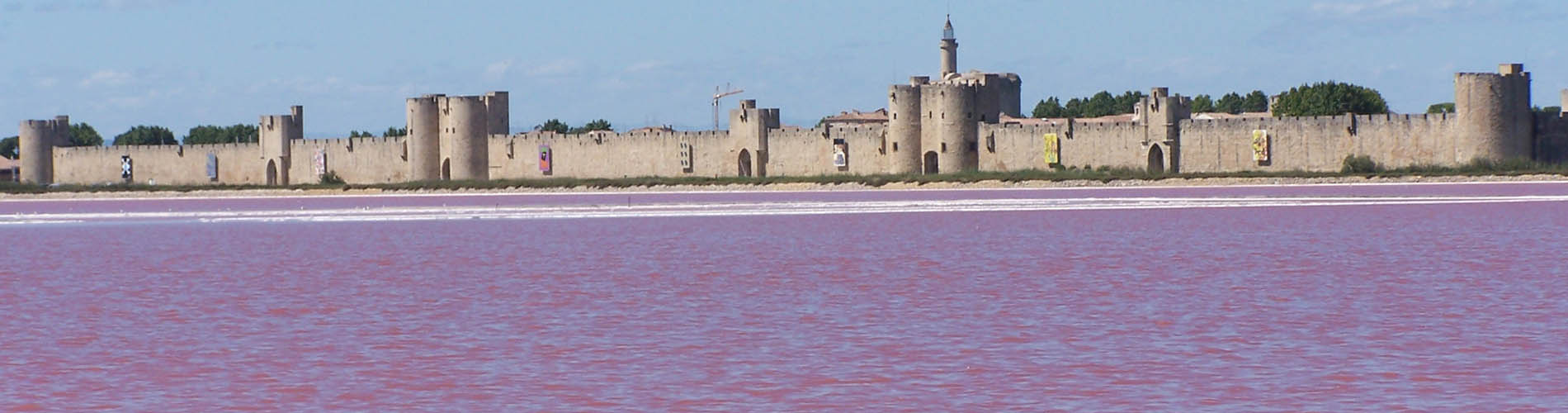
A fortified town in the Gard, on the edge of the Camargue gardoise, a stone’s throw from our campsite near Aigues-Mortes. Aigues-Mortes, a town in the Gard next to the Bouches-du-Rhône, has an exceptional historic heritage: its ramparts, almost intact over about 1.6 km, and its Tour de Constance, built at the wish of Saint Louis, are the main attraction of this town founded in the 13th century. Visit Aigues-Mortes from our campsite in the Camargue.
Key facts
- A fortified town founded in the 13th century by Saint Louis, the kingdom’s only Mediterranean port at the time.
- Almost intact ramparts over 1.6 km and a former royal keep that became a prison for Protestant women.
- A town in the Gard, in Occitanie, in the heart of an area of lagoons, salt marshes and the Rhône-Sète canal.
- A population of around 8,700, on land largely taken up by salt marshes.
- About a 34-minute drive from the campsite, between Le Grau-du-Roi and the Petite Camargue.
Visiting Aigues-Mortes
Aigues-Mortes is in the Gard department, in the Occitanie region, on the edge of the Camargue gardoise, between lagoons and the Rhône-Sète canal. The town covers about 5,800 hectares, largely taken up by salt marshes, and has nearly 8,700 inhabitants. From the campsite, it is 38 km and about a 34-minute drive via the D37 and then the D46.
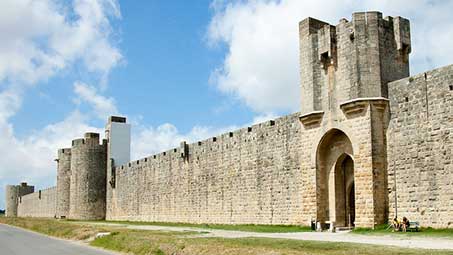
At the beginning of the 13th century, King Louis IX, the future Saint Louis, was looking for a Mediterranean port that depended on neither Marseille nor Montpellier. He had the Tour de Constance built from 1242, on the site of an older tower attributed to Charlemagne. It was from this port that he set sail for the Seventh Crusade in 1248, then for the Eighth in 1270. The ramparts were begun under the reign of his son Philip III the Bold around 1272 and encircle the town over about 1.6 km.
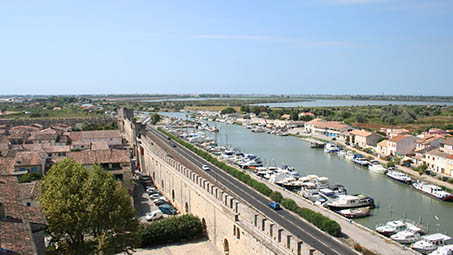
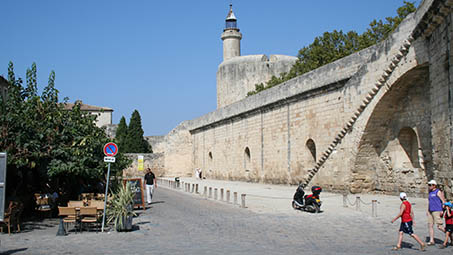
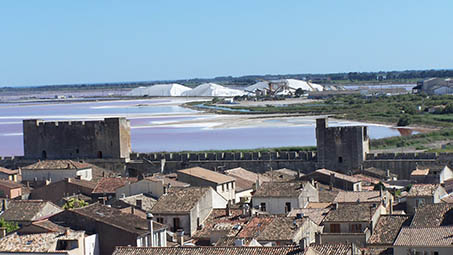
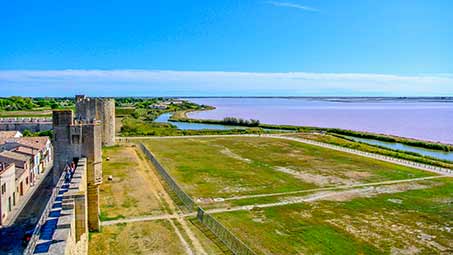
The ramparts of Aigues-Mortes are among the best preserved in France: you can walk all the way round on the wall walk, between towers and gates, with views over the salt marshes and the Camargue gardoise. The Tour de Constance, a keep 32 metres high and 22 metres in diameter, first served as a royal garrison before becoming a prison, notably for Templars in the early 14th century and later for Protestant women. Marie Durand was held there for 38 years; she is credited with the word “register” (resist) carved on the rim of the well, which has become a symbol of resistance.
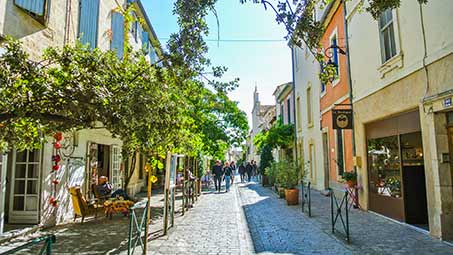
The walled town is best explored on foot, between Place Saint-Louis and its terraces, the shopping streets and the ramparts.
Things to do in Aigues-Mortes
Lovers of heritage, wide open spaces and Camargue traditions, make the most of your stay to discover the wonders around Aigues-Mortes and the Camargue gardoise.
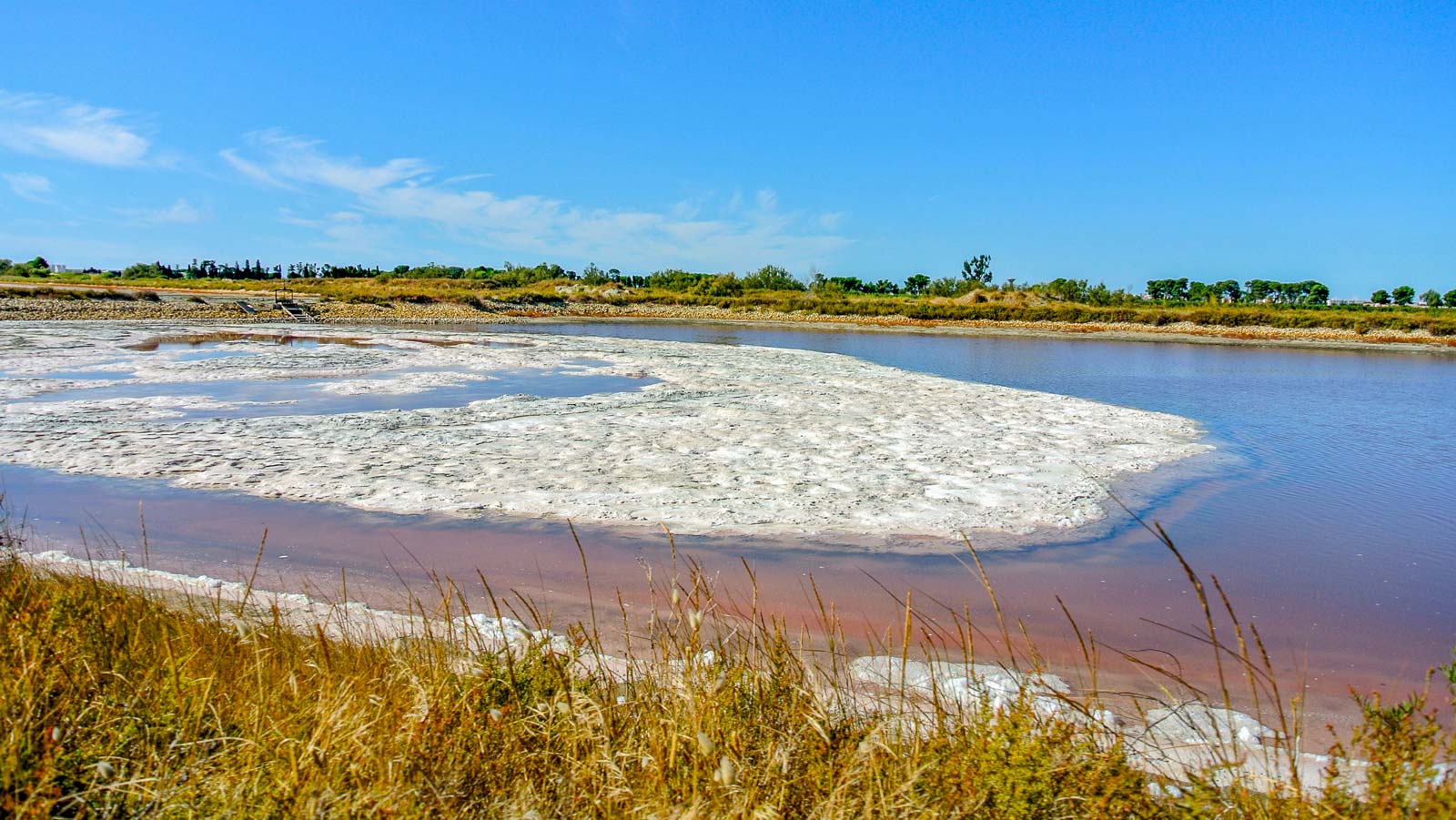
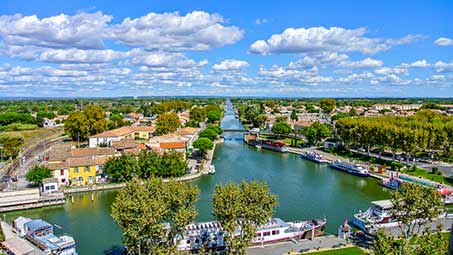
A few minutes from the ramparts, the Aigues-Mortes salt marshes can be explored by little train: pink pools, salt mounds and flamingos make up a unique landscape. The Rhône-Sète canal is perfect for a bike ride or a boat trip, while the Tour Carbonnière, a former watchtower built at the wish of Saint Louis to guard the land access to the town, is well worth a detour. A horse ride at a manade is another way to discover the bulls and horses of the Camargue gardoise. By car, allow about twenty minutes to reach the beaches of Le Grau-du-Roi and Port-Camargue.
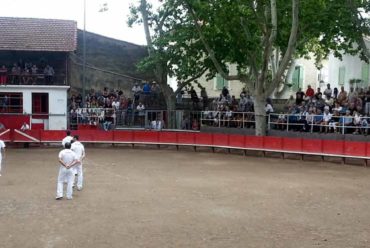
Salt is the other identity of Aigues-Mortes: harvested since Antiquity in this marshland, it now gives Camargue fleur de sel, sold in town and at the salt marshes. This land shares the gardian traditions of the Bouches-du-Rhône Camargue: manades, free-roaming horses and bulls, and courses camarguaises held in season.
Must-sees in Aigues-Mortes
Don’t miss the old town of Aigues-Mortes, enclosed by its ramparts , almost intact over 1.6 km, with its Tour de Constance, a former royal keep turned prison, and Place Saint-Louis, with its terraces and shopping streets.
With its exceptional heritage, salt and gardian traditions, Aigues-Mortes and the Camargue gardoise promise you a stay full of discoveries and emotions.
Good to know
Indicative opening hours for the ramparts and the tower: low season 10am-5:30pm, high season (June to August) 10am-7pm. Please check opening hours and prices directly with the tourist office before your visit.
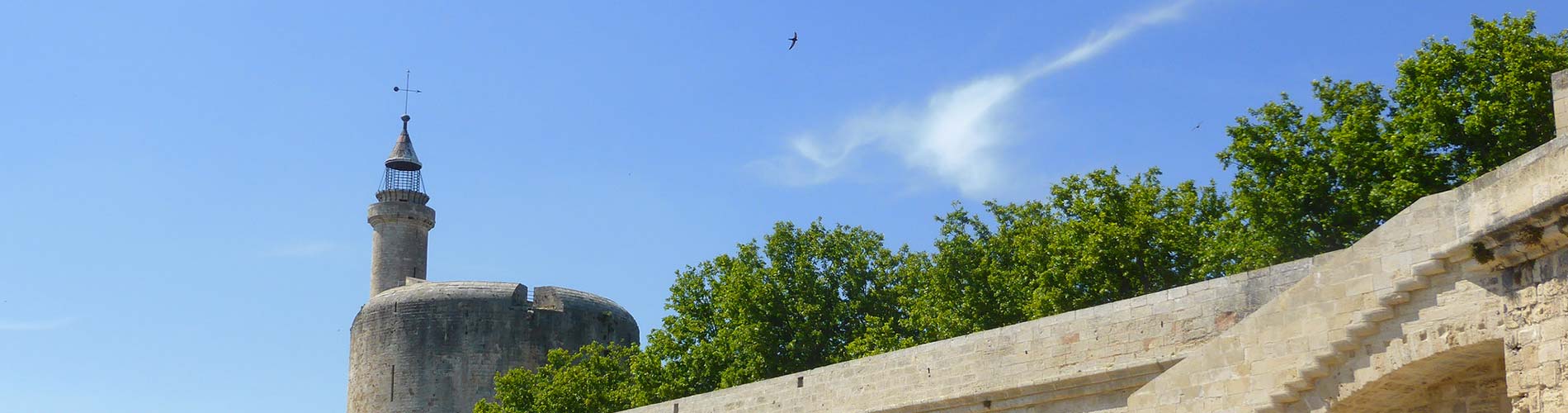
The Tour de Constance, symbol of Aigues-Mortes
At the beginning of the 13th century, King Louis IX, the future Saint Louis, was looking for a Mediterranean port that depended on neither Marseille nor Montpellier, which were then outside his kingdom. He had the Tour de Constance built from 1242, on the site of an older tower attributed to Charlemagne, before the ramparts were built under the reign of his son Philip III the Bold around 1272. It was from this port that he set sail for the Seventh Crusade in 1248, then for the Eighth in 1270.
The Tour de Constance first served as a royal garrison before becoming a prison, notably for Templars in the early 14th century and later for Protestant women after the revocation of the Edict of Nantes. Marie Durand was held there for 38 years; she is credited with the word “register” (resist) carved on the rim of the well, which has since become a symbol of resistance.
Today, this keep, 32 metres high and 22 metres in diameter, with walls 6 metres thick at the base, is open to visitors: you can walk around the ramparts on the wall walk, between towers and gates, before enjoying the view over the salt marshes and the Camargue gardoise from the top of the tower.
Where is Aigues-Mortes?
Aigues-Mortes is in the Gard, in Occitanie, on the edge of the Camargue gardoise. The town is one of the must-see destinations for a stay in the Camargue. It is also a great starting point for discovering other nearby places, especially Le Grau-du-Roi and Port-Camargue (about 20 minutes), Montpellier (about 40 km) or Saintes-Maries-de-la-Mer, on the other side of the Rhône delta. Your stay is also a wonderful opportunity to discover iconic places such as the Aigues-Mortes salt marshes or the Camargue Regional Nature Park.
Practical information for planning your visit
- Aigues-Mortes tourist office : Place Saint-Louis, 30220 Aigues-Mortes.
- Getting there : via the D37 and then the D46 from the campsite (38 km, about 34 minutes); the SNCF train station is in the town centre.
- Parking : car parks around the ramparts; the walled town is best explored on foot.
- Best time to visit : spring and autumn, to enjoy the ramparts and Place Saint-Louis without the summer crowds.
- Recommended length of visit : half a day for the ramparts, a full day including a visit to the salt marshes.
FAQ: the questions we are often asked
What is there to see and do in Aigues-Mortes?
The historic centre, a ride through the salt marshes on the little train and, for cyclists, the Rhône-Sète canal.
How should I plan a day trip?
Allow half a day for the town, followed by the salt marshes in the afternoon; from the campsite, it is about a thirty-minute drive via the D37 and then the D46.
What makes the Camargue gardoise special?
This Gard side of the Camargue shares its manades, horses and bulls with the Bouches-du-Rhône, but stands out for its salt marshes and its listed fortified town.
Where can I find official, practical information?
The tourist office provides information on visiting hours and the calendar of events in the town.